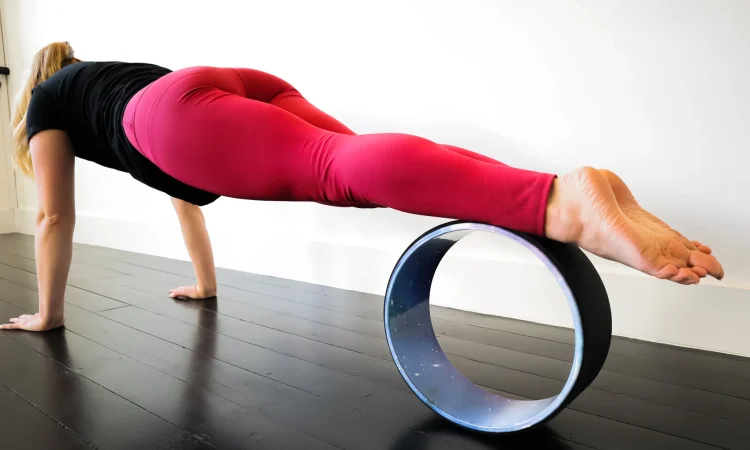
Office work changes the body. Long hours at laptops, meetings, and phones can create rounded shoulders, tight chests, stiff backs, and shallow breathing. This is why many professionals are becoming interested in prop-based practices such as yoga wheel classes, where support is used to open the body, improve awareness, and reduce the physical impact of desk-heavy routines.
Professionals often do not need more vague wellness advice. They need practical movement that addresses the real patterns created by work. The yoga wheel can be useful because it supports chest opening, upper-back mobility, shoulder awareness, and controlled spinal extension, all areas commonly affected by screen-based work.
The Desk Posture Problem
Desk posture usually develops slowly. A person leans toward the screen, rounds the shoulders, looks down at devices, and sits for long periods. Over months and years, this becomes a default body pattern.
The result may include tight chest muscles, weak upper-back engagement, neck tension, and a feeling of being compressed. The person may not even notice the posture until they see themselves in a photo or feel discomfort after long workdays.
Prop-based yoga can help because it gives the body a different experience from the desk position.
Why Professionals Need Guided Mobility
Many professionals try quick stretches at the desk, but they may not know whether they are moving correctly. Pulling the shoulders back aggressively or forcing the neck can create more tension.
A guided yoga wheel class gives more structure. The wheel can support the upper back and help students explore chest opening without guessing. The teacher can guide placement, breathing, and safe range.
This is more practical than random stretching because the student learns how the body should feel in the movement.
The Yoga Wheel as a Posture Awareness Tool
The yoga wheel gives direct feedback. When a professional leans over the wheel, they may notice how tight the chest feels, how limited the upper back is, or how quickly the breath becomes shallow.
This awareness is valuable. Many posture problems persist because people are not aware of their patterns. The wheel helps make those patterns easier to feel.
Once a person feels the difference between collapsed posture and supported openness, they may begin to correct habits during the workday.
Not Just Stretching, Also Control
Professionals with desk posture often think they only need to stretch the chest. Stretching helps, but it is not enough. The body also needs strength and control.
The yoga wheel can be used for core engagement, balance, shoulder control, and supported movement. These elements help the body maintain better posture instead of only feeling temporary relief.
A more useful practice combines opening with activation.
Stress and Rounded Posture
Rounded posture is not only caused by desks. Stress can also make the body close inward. People may protect the chest, tighten the shoulders, and breathe shallowly during pressure.
A yoga wheel-supported chest opener can feel emotionally intense for some students because it asks the front body to open. This should be approached gently. The practice should feel safe, not forced.
Breath helps professionals stay calm while exploring these shapes.
A Better Alternative to Aggressive Correction
Some posture correction programs are too aggressive. They tell people to sit straight, pull shoulders back, or force the spine into a rigid position. This can create fatigue and tension.
Prop-based yoga encourages a more natural approach. The wheel supports the body into opening while the student learns to breathe and control the movement.
Posture improves through awareness and repetition, not stiffness.
Fitting Practice Into a Busy Schedule
Professionals need routines they can maintain. A weekly yoga wheel class can become a focused reset for the upper body and spine. Short home practices may support the work between classes.
The routine does not need to be daily to be useful. Consistency matters more than intensity.
Busy adults should choose class times that feel realistic, not idealistic. A routine that survives busy weeks is the one that works.
Workplace Wellness Potential
Prop-based yoga may also suit workplace wellness discussions, especially for desk-heavy teams. A full yoga wheel class may require studio equipment and space, but the concept highlights an important point: employees need movement that counters desk posture.
Companies can support wellness by encouraging mobility breaks, posture education, and access to guided classes outside work.
Wellness should not be limited to step counts or gym discounts. Desk posture needs specific attention.
Who Should Be Careful?
Professionals with back injuries, shoulder instability, neck pain, dizziness, or recent surgery should speak with a professional before trying deeper wheel-supported poses. Even healthy students should begin gradually.
A yoga wheel can support the body, but it can also create too much extension if used carelessly.
The safest practice is guided, progressive, and honest.
A Practical Tool for Work-Life Recovery
Prop-based yoga can help professionals reconnect with the body after long days of sitting, typing, and thinking. The yoga wheel offers support, feedback, and a structured way to explore movement that is missing from desk life.
For professionals in Singapore who want a practical method for posture awareness, chest opening, and spinal mobility, Yoga Edition can support a guided practice that fits into a healthier work-life routine.
FAQs
Can yoga wheel practice help if my shoulders round forward at work?
It may help by improving chest opening, upper-back awareness, and shoulder mobility. You also need daily posture habits, screen setup, and movement breaks for lasting improvement.
Should I do yoga wheel practice before or after a long workday?
Both can work. Morning practice may improve posture awareness before sitting. Evening practice may help release desk-related stiffness. Choose the time you can maintain consistently.
Can office workers use a yoga wheel at their desk?
Not usually during desk work. The wheel is better used in a safe practice space. At the desk, use simpler posture resets, shoulder rolls, breathing, and standing breaks.