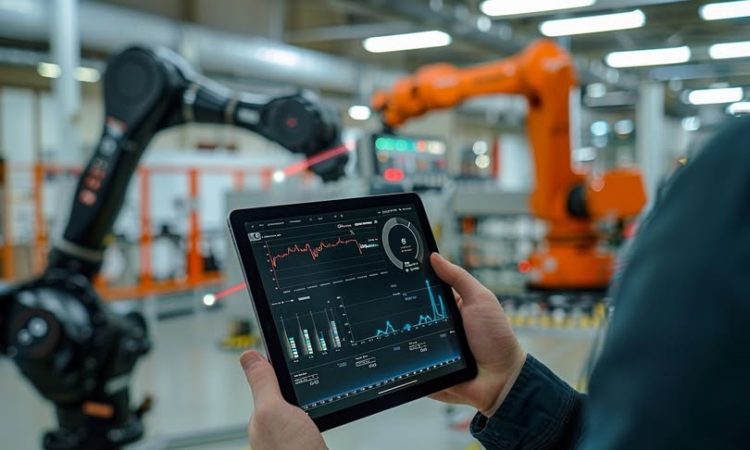
The global industrial sector is undergoing a profound structural transformation. For generations, industrial competitiveness relied on geographical advantages, low-cost labor pools, and incremental improvements in mechanical machinery. While these factors still carry weight, they are no longer enough to secure market leadership. Today, the defining metric of competitive advantage is an enterprise capacity to digitize, integrate, and automate its end-to-end operations.
Modern enterprises face persistent challenges, including volatile supply chains, fluctuating raw material costs, tightening environmental regulations, and acute shortages of skilled technical labor. In response, forward-thinking manufacturers, energy producers, and logistics providers are adopting advanced technological ecosystems. These digital tools do not simply accelerate existing workflows; they fundamentally alter operational architecture, unlock unprecedented efficiencies, and foster resilient business models capable of withstanding macroeconomic shocks.
The Core Pillars of Technological Transformation in Industry
Technological adoption in the industrial arena is multifaceted, spanning interconnected hardware, advanced software architectures, and automated physical systems. These systems function together as an integrated digital thread that connects product concept, fabrication, quality assurance, and field performance.
-
Ubiquitous Industrial Connectivity: Sensor-dense environments and edge-computing nodes capture microsecond changes in machine performance, material stress, and ambient plant conditions.
-
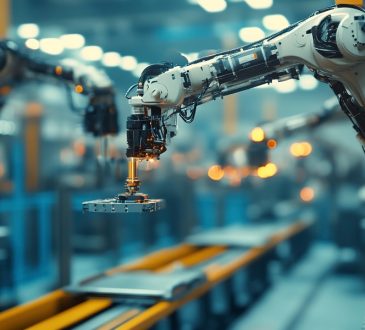
Automated Physical Systems: High-precision robotics, automated guided vehicles, and adaptive machining platforms execute complex tasks with minimal human intervention.
-
Continuous Data Unification: Cloud-based and hybrid data platforms break down operational silos, allowing enterprise systems to synchronize production planning with commercial demand.
-
Algorithmic Decision-Making: Predictive modeling and automated control systems identify operational deviations, adjust process variables, and prevent catastrophic system downtime before it manifests.
Advanced Automation and Next-Generation Industrial Robotics
Robotics and automated equipment have operated in factory environments for decades, but early iterations were rigid, dangerous to human operators, and costly to reprogram. Modern industrial automation focuses on adaptability, spatial intelligence, and precision collaboration.
-
Collaborative Robotics: Lightweight, sensor-rich collaborative robots work alongside human technicians without physical safety barriers. Built-in force-torque sensors and computer vision allow these machines to halt instantly upon detecting an unexpected object, expanding automation into assembly lines that previously required manual dexterity.
-
Autonomous Mobile Robots: In warehouses and factory floors, autonomous mobile robots navigate dynamic environments using light detection and ranging sensors paired with spatial mapping algorithms. Unlike traditional automated guided vehicles that depend on magnetic floor tracks, these units navigate around temporary obstacles and dynamically optimize material transit paths.
-
High-Precision Additive Manufacturing: Industrial three-dimensional printing has moved beyond rapid prototyping into direct, high-mix component fabrication. Aerospace and medical manufacturers build consolidated, lightweight geometries from titanium, nickel superalloys, and technical polymers that subtractive computer numerical control milling cannot achieve.
The Digital Twin: Bridging Physical Assets and Virtual Simulation
Among the most impactful developments in modern engineering is the digital twin, a dynamic, physics-based virtual replica of a physical machine, manufacturing cell, or entire facility. Fed by real-time telemetry from industrial internet of things sensors, digital twins allow engineering teams to simulate, stress-test, and refine physical assets without halting active production.
-
Pre-Commissioning and Virtual Plant Layouts: Plant engineers model material handling routes, ergonomic clearances, and machine cycle interactions virtually before committing capital expenditure to physical equipment. This practice reduces installation errors and accelerates production ramp-up schedules.
-
Simulated Stress Testing: Subjecting a virtual turbine blade, pipeline valve, or automotive chassis to extreme computational fluid dynamics and thermal load simulations reveals design weaknesses early, saving significant research and development overhead.
-
Real-Time Process Tuning: Digital twins simulate adjustments to operational variables, such as furnace heat zones or chemical flow rates, determining the optimal setting before the change is pushed to the physical line.
Cloud Integration and Real-Time Supply Chain Orchestration
Industrial competitiveness extends beyond the physical plant perimeter. In an interconnected economy, disruptions at a tier-three component supplier can cascade into weeks of plant idling. Modern enterprises deploy cloud-based supply chain management systems that provide granular visibility across the entire value chain.
-
Predictive Inventory Management: Machine-driven forecasting engines analyze shipping manifest status, weather anomalies, port dwell periods, and historical supplier lead-time variances to optimize buffer inventory and eliminate stockouts without bloating warehouse holding costs.
-
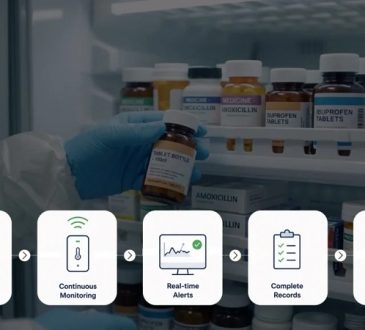
Track-and-Trace Telematics: Advanced tracking devices monitor transit conditions for delicate components, logging temperature, humidity excursions, and impact forces in real time to verify that delivered materials meet exact quality specifications.
-
Dynamic Capacity Allocation: Distributed enterprises utilize unified cloud architectures to route production orders across multiple manufacturing facilities based on real-time plant load, local energy tariffs, and proximity to the customer.
Sustainable Manufacturing and Resource Optimization Technologies
Resource efficiency and industrial competitiveness have become inseparable. With stringent carbon-accounting mandates and rising fossil fuel costs, companies that reduce energy, water, and material waste gain direct cost advantages.
-
Automated Energy Management Systems: Smart sub-metering and automated environmental controls balance thermal and electrical loads across large facilities, automatically shutting down idle equipment and shifting energy-intensive processes to periods with lower utility tariffs.
-
Closed-Loop Water and Material Recycling: Advanced filtration systems and real-time chemical monitoring enable manufacturing plants to treat, reclaim, and reuse process water, minimizing municipal withdrawal fees and environmental discharge liabilities.
-
Material Waste Reduction Algorithms: Advanced nesting algorithms maximize the yield of raw materials, such as sheet steel, carbon fiber fabrics, and timber panels, cutting scrap rates and direct raw material costs.
Workforce Augmentation and Industrial Knowledge Retention
As seasoned engineers and senior technicians retire, industrial enterprises face a massive loss of specialized institutional knowledge. Technology is playing a vital role in preserving this expertise while onboarding a new generation of technical workers.
-
Augmented Reality Work Instructions: Technicians wearing smart glasses or carrying rugged tablets receive heads-up, step-by-step schematics and repair workflows superimposed directly onto the machinery they are servicing. This minimizes maintenance errors and accelerates task completion.
-
Remote Expert Guidance: Field technicians encountering complex system faults can livestream their point of view to veteran specialists located anywhere in the world, allowing centralized engineers to mark up the technician display and guide intricate repairs.
-
Digital Standard Operating Procedures: Standard operating procedures are transitioned from static paper binders to interactive, multimedia-rich digital modules that log technician compliance, standardizing execution across global sites.
Frequently Asked Questions
How does an industrial company determine whether to retrofit legacy machinery or purchase new smart equipment?
Companies evaluate the remaining structural integrity and replacement cost of the machine against the integration expense of external internet of things sensors and edge gateways. Retrofitting is often the preferred strategy for heavy machinery with long operational lifecycles, allowing plants to capture vibration, current, and temperature data without replacing multimillion-dollar mechanical assets.
What is the role of edge computing in industrial operations?
Edge computing processes critical operational data locally on the factory floor rather than sending every data point to a remote cloud server. This eliminates communication latency, ensures rapid response times for mission-critical automation, reduces bandwidth costs, and guarantees that production lines continue operating safely even if external internet connectivity drops.
How does industrial cybersecurity differ from traditional corporate IT security?
Traditional corporate information technology focuses on data confidentiality and integrity, whereas operational technology in industrial facilities prioritizes human safety, system uptime, and real-time physical reliability. A compromised industrial network can lead to equipment destruction, environmental disasters, or personnel injury, requiring specialized network segmentation and continuous anomaly detection.
Why is data standardization a major challenge in smart factory deployments?
Industrial facilities typically house equipment from dozens of different manufacturers spanning multiple decades. Each vendor often uses proprietary communication protocols, data formats, and timing intervals. Standardizing this information requires robust middleware layers and unified open standards to translate fragmented machine outputs into clean, actionable datasets.
How do technological investments directly influence an industrial company pricing power?
By optimizing raw material utilization, slashing unscheduled downtime, and automating routine inspection, technological adoption lowers the baseline cost per unit. This operational efficiency gives enterprises the flexibility to price products competitively in margin-compressed environments or capture premium margins on high-precision, customized orders.
What is meant by the term closed-loop quality control in modern manufacturing?
Closed-loop quality control refers to an automated inspection system that immediately feeds real-time dimensional and defect data back to upstream machining tools. If an automated optical sensor detects a slight drift in product tolerances, the system automatically recalibrates the upstream milling machine to correct the deviation before defective parts are produced.
How does additive manufacturing support localized production strategies?
Additive manufacturing eliminates the need for expensive, dedicated tooling and mold fabrication, allowing companies to produce complex end-use components directly from computer-aided design files on demand. This enables organizations to place smaller fabrication hubs closer to local markets, minimizing international freight transit times and mitigating shipping disruptions.