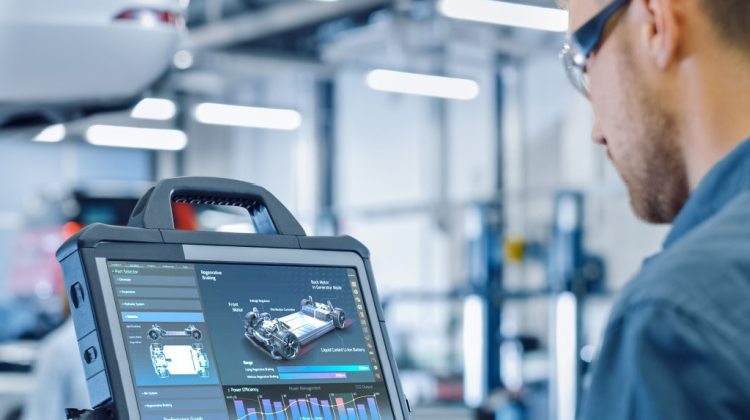
The automotive repair industry is experiencing rapid technological transformation, and one of the most impactful advancements for modern garages is the digital vehicle inspection tool. For independent auto repair shops, this technology has shifted from being a “nice-to-have” to an essential part of running a competitive and customer-focused business. These tools not only improve accuracy in diagnostics but also enhance communication, transparency, and profitability. As customer expectations evolve and vehicles become increasingly complex, independent shops must adapt to stay relevant and efficient.
What Are Digital Vehicle Inspection Tools?
A digital vehicle inspection (DVI) tool replaces traditional paper-based inspection sheets with a digital platform that allows technicians to record vehicle conditions using tablets or mobile devices. These tools enable technicians to document inspection results, capture images or videos of problem areas, and share detailed reports directly with customers via text or email.
Unlike handwritten notes that can be easily misunderstood or lost, DVIs present a professional and transparent way to showcase recommended repairs. For independent shops competing with dealership service centers, adopting such technology helps establish trust, efficiency, and credibility.
The Growing Importance of DVI for Independent Shops
In today’s repair landscape, customers expect real-time communication and visual evidence before approving repairs. Digital vehicle inspection tools make this possible while streamlining workflows behind the scenes.
For independent shops, DVIs offer several advantages:
- Enhanced customer trust and transparency through visual documentation.
- Higher approval rates for recommended services.
- Improved technician efficiency by reducing paperwork.
- Consistent service quality across all inspections.
Beyond customer satisfaction, DVIs also play a significant role in standardizing operations, improving data accuracy, and boosting overall profitability.
Building Trust Through Transparency
Trust is the foundation of every successful independent repair business. Many vehicle owners hesitate to approve repairs because they lack understanding or doubt the necessity of certain services. A digital inspection tool bridges this trust gap.
How DVIs improve transparency:
- Technicians can attach photos or short videos showing worn parts, fluid leaks, or tire tread depth.
- Customers receive detailed digital reports that explain what’s urgent, what’s recommended, and what’s in good condition.
- Color-coded systems (green for good, yellow for caution, red for urgent) help customers easily understand priorities.
When customers can see the actual condition of their vehicle, they feel more confident approving necessary work. This level of honesty not only increases sales but also strengthens long-term customer relationships.
Streamlining Workflow and Technician Efficiency
Paper-based inspections are time-consuming and prone to errors. Technicians must manually record findings, service advisors must interpret handwriting, and customers wait longer for updates. Digital tools simplify this entire process.
Efficiency benefits include:
- Real-time data entry on tablets that syncs instantly with the shop management system.
- Pre-built templates for different vehicle types and services.
- Automatic calculation of repair estimates and labor times.
- Reduced time spent on administrative tasks, allowing technicians to focus on repairs.
By eliminating manual paperwork, independent shops save hours each week. This translates directly into increased productivity and revenue.
Consistency Across Inspections
Consistency is a major challenge for independent repair shops, especially when multiple technicians perform inspections differently. With a digital system, every technician follows the same standardized process.
How DVIs ensure consistency:
- Uniform inspection templates maintain shop-wide standards.
- Automated checklists reduce the likelihood of missed items.
- Management can review reports to ensure quality and completeness.
This consistency not only improves internal accountability but also ensures every customer receives a thorough, professional inspection—regardless of which technician handles their vehicle.
Boosting Approval Rates and Increasing Revenue
One of the most tangible benefits of digital inspections is higher repair approval rates. Customers are far more likely to authorize recommended services when they can see visual proof rather than just hear verbal explanations.
How digital tools drive higher approvals:
- Visual evidence removes doubt and builds credibility.
- Technicians and advisors can highlight issues clearly, reducing confusion.
- Customers can review reports at their convenience via mobile devices.
Research shows that shops using DVIs can increase their average repair order value by 15–30%. When customers understand the “why” behind a repair, they are more inclined to proceed immediately rather than delay the work.
Simplifying Communication Between Technicians and Advisors
Effective communication between technicians and service advisors is essential to maintaining workflow efficiency. In traditional shops, information often gets lost between handwritten notes and verbal updates. Digital inspection tools eliminate this disconnect.
Communication advantages:
- Advisors receive instant updates from technicians once inspections are completed.
- Photos and notes automatically sync, reducing misunderstandings.
- Advisors can quickly create accurate estimates based on technician input.
This streamlined communication helps reduce delays, improves service accuracy, and enhances the customer’s overall experience.
Data Accuracy and Recordkeeping
Every vehicle inspection generates valuable data. However, when inspections are done on paper, this information often ends up misplaced or incomplete. Digital systems securely store all inspection records for easy retrieval and long-term reference.
Benefits of digital recordkeeping:
- Permanent cloud-based storage ensures no lost documents.
- Quick access to previous inspection histories for returning customers.
- Useful data insights for tracking recurring issues or predicting maintenance needs.
Accurate data also helps shop owners identify performance trends, monitor technician productivity, and make better business decisions.
Integration with Shop Management Software
The most effective DVIs integrate seamlessly with auto repair shop management software, allowing all operational data to flow through a single system. This integration connects inspection results with job scheduling, parts ordering, invoicing, and customer communication.
Advantages of integrated systems:
- Instant creation of repair orders from inspection findings.
- Automated parts requests linked to approved jobs.
- Synchronization between inspection reports and customer records.
- Enhanced reporting and performance analytics.
This holistic approach minimizes redundancy, improves operational visibility, and enhances overall profitability for independent shops.
Professional Image and Customer Perception
In today’s competitive landscape, customer perception plays a major role in business growth. Using advanced tools like digital inspections signals professionalism and reliability. Customers associate technology with competence and trustworthiness.
Ways DVIs enhance brand perception:
- Digital reports present a polished, professional image.
- Customers appreciate the convenience of mobile communication.
- Consistent follow-ups and reminders reinforce reliability.
Independent shops that embrace digital solutions position themselves as modern and customer-focused businesses capable of competing with large service centers.
Environmental and Cost Benefits
Digital inspections also contribute to sustainability and cost savings. Paperless processes reduce printing costs, storage needs, and waste, creating a more environmentally responsible operation.
Environmental and financial advantages:
- Lower spending on paper, ink, and storage supplies.
- Reduced carbon footprint from paper waste.
- Streamlined data management with no physical filing required.
For many independent shops, this shift aligns with eco-friendly business values while reducing overhead expenses.
Employee Accountability and Training
Digital inspection platforms not only support consistency but also improve accountability among technicians. Managers can track which technician performed each inspection and review their thoroughness and accuracy.
Benefits for staff management:
- Performance tracking helps identify top performers and training needs.
- Standardized procedures simplify onboarding for new employees.
- Real-time feedback helps technicians improve their work quality.
This data-driven approach promotes professionalism and continuous improvement within the team.
Meeting Customer Expectations in a Digital Age
Today’s customers expect convenience and transparency from every service provider, including auto repair shops. Digital tools meet these expectations by offering seamless communication, quick responses, and clear documentation.
Modern customer preferences supported by DVIs:
- Mobile access to inspection results and invoices.
- Visual proof before authorizing repairs.
- Simple online payment and approval options.
By adapting to these expectations, independent shops can attract and retain tech-savvy customers who value convenience and trust.
Strengthening Shop Reputation Through Reviews and Referrals
Satisfied customers are more likely to share their positive experiences through online reviews and word-of-mouth referrals. Digital inspections enhance these opportunities by improving transparency and satisfaction.
Reputation-building benefits:
- Customers appreciate the honesty and professionalism of detailed reports.
- Automated follow-ups can request reviews after service completion.
- Consistent quality encourages repeat visits and recommendations.
Independent shops that leverage this technology often see measurable increases in customer loyalty and referral rates.
The Competitive Advantage for Independent Shops
Large dealership service centers often have greater marketing budgets and resources, but technology allows independent shops to compete on service quality and efficiency. Digital vehicle inspections level the playing field by enhancing customer experience and internal operations.
Competitive advantages include:
- Faster service delivery through automated workflows.
- Personalized customer communication and recommendations.
- Consistent documentation that reinforces professionalism.
By embracing DVI tools, independent repair shops can differentiate themselves through superior transparency, speed, and reliability.
Real-World Impact: A Closer Look
Consider a small independent shop with three technicians performing around 15 inspections per day. Before implementing a DVI tool, each inspection took approximately 20 minutes to complete and review with the customer. After adopting digital inspections, the time per inspection dropped to 10 minutes.
Results over time:
- Saved approximately 2.5 technician hours daily.
- Increased average repair order value by 20% through higher approval rates.
- Enhanced customer satisfaction and repeat visits.
This example illustrates how the financial and operational benefits of DVI tools accumulate quickly, delivering both short-term efficiency and long-term profitability.
FAQs
Q1. How quickly can an independent shop see results from using a digital inspection tool?
Most shops notice improvements in workflow and customer engagement within the first few weeks of implementation, with measurable revenue increases within three to six months.
Q2. Do digital vehicle inspections require extensive training?
No. Most systems are user-friendly and intuitive. Technicians can learn to use them effectively after a short training session.
Q3. Can digital inspections be customized for different vehicle types or services?
Yes. Inspection templates are customizable, allowing shops to tailor checklists for specific vehicle categories or service packages.
Q4. Are digital inspections compatible with existing shop management systems?
Many digital inspection platforms integrate directly with shop management software, enabling seamless data sharing and workflow automation.
Q5. How do DVIs impact customer relationships?
They strengthen relationships by providing transparency and trust, helping customers feel informed and respected throughout the repair process.
Independent auto repair shops face growing competition, and adopting a digital vehicle inspection tool is one of the smartest investments they can make. These tools empower technicians, streamline operations, and build lasting customer trust through transparency and professionalism. In an industry where efficiency and communication define success, going digital isn’t just an upgrade—it’s the future of independent auto repair excellence.